
Millstadt EMS
NO ACTIVE WEATHER ALERTS — MILLSTADT, ILLINOIS
Lounge
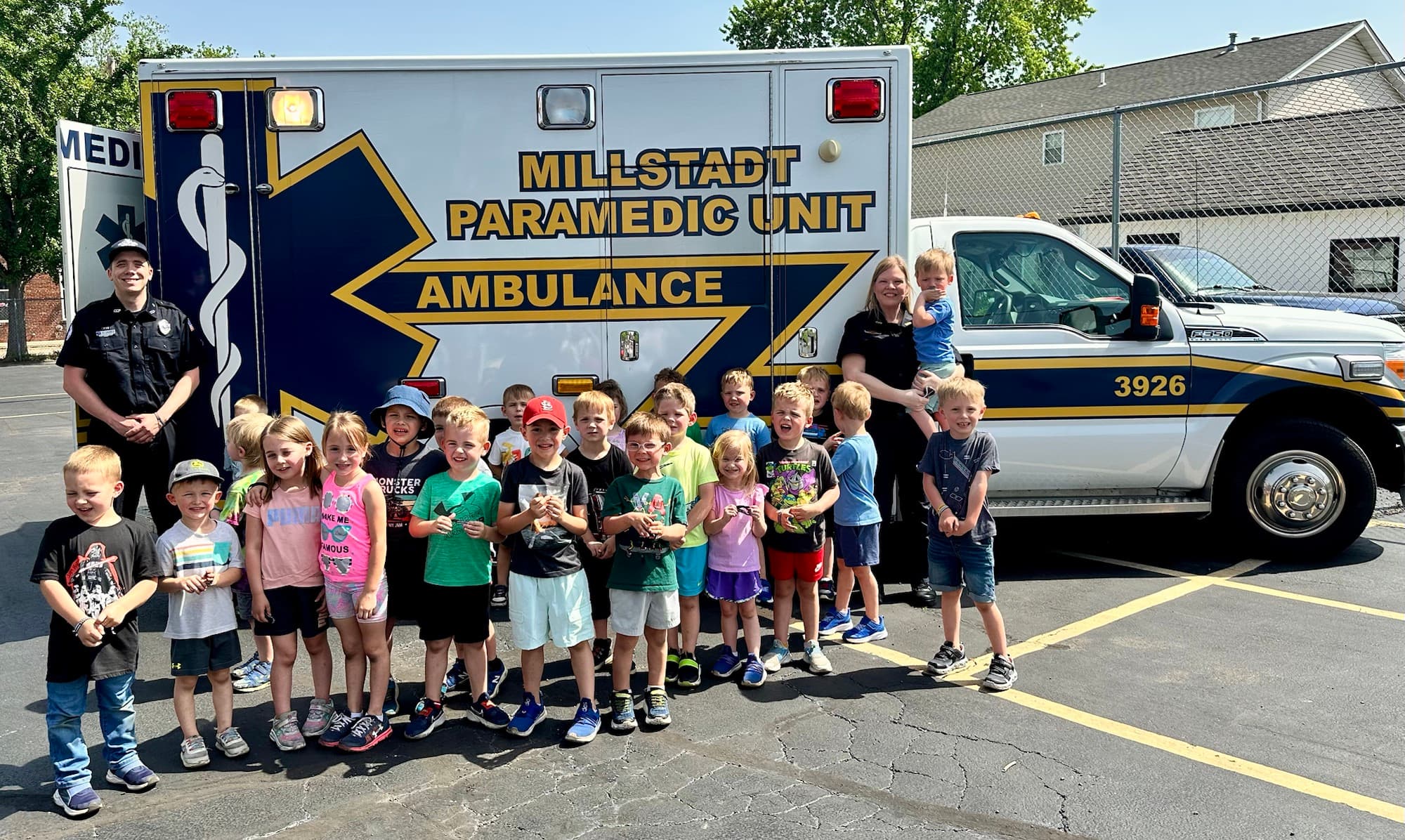
Millstadt EMS visiting with local kids
Back to Kids Club
Millstadt EMS Kids Club

Safety Missions

A colorful, parent-assisted activity board where local kids learn real EMS safety skills without making emergencies feel scary.

Browse by age track
Filter by safety theme
Showing 24 safety missions
Ages 2-5

Little helper missions

Short, grown-up led activities built around recognition, routines, and calm helper language.

1
Safety Mission

Meet the Ambulance

Ages 2-5

Explore what an ambulance is, why it has lights, and how EMS crews help people.

What kids learnAmbulances bring trained helpers and equipment to sick or hurt people.
Help levelGrown-up led
Time15 min
Supplies
Ambulance pictureCrayonsToy vehicle
Steps
  1. Look at an ambulance picture together and name the lights, wheels, doors, and stretcher area.
  2. Practice saying, 'Ambulances are helpers.'
  3. Color the ambulance and add bright lights on top.
  4. Talk about who might ride inside: EMTs, paramedics, and patients who need help.
Grown-up noteKeep the tone calm and positive. Ambulances can be loud, but they are coming to help.
2
Safety Mission

Helper Match Game

Ages 2-5

Match community helpers with the tools they use to keep people safe.

What kids learnEMTs, paramedics, firefighters, police officers, nurses, and dispatchers all have helping jobs.
Help levelSide-by-side
Time10 min
Supplies
Helper cardsTool cardsTable space
Steps
  1. Lay out cards for helpers and tools: ambulance, bandage, helmet, phone, fire truck, and stethoscope.
  2. Ask your child to match each helper with a tool.
  3. Say one simple job for each helper, such as 'Paramedics help sick people.'
  4. Finish by naming two trusted grown-ups your child can go to for help.
Grown-up noteReinforce that children should find a trusted adult or emergency helper when something feels unsafe.
3
Safety Mission

Teddy Bear Bandage Rescue

Ages 2-5

Use a stuffed animal to practice telling a grown-up and caring gently for a small pretend injury.

What kids learnSmall injuries should be shown to a grown-up before kids try to fix them.
Help levelGrown-up led
Time12 min
Supplies
Stuffed animalToy bandageClean cloth
Steps
  1. Pretend teddy has a small scrape and ask, 'Who should we tell first?'
  2. Use a clean cloth to gently pat the pretend scrape.
  3. Place a toy bandage or paper bandage on teddy.
  4. Practice saying, 'I need help with a boo-boo.'
Grown-up noteUse pretend play only. Real cuts, blood, or pain should be handled by a grown-up.
First AidHelper Skills
Bandage Buddy
4
Safety Mission

My Name and Address Practice

Ages 2-5

Practice the words a child may need to tell a trusted helper in an emergency.

What kids learnChildren can learn their full name, caregiver name, and the basics of where they live.
Help levelGrown-up led
Time10 min
Supplies
Practice sheetCrayonsRepetition
Steps
  1. Say the child's full name together three times.
  2. Practice a caregiver's name and phone number.
  3. Say the home address slowly, one piece at a time.
  4. Draw a home, mailbox, or landmark to connect the address with a picture.
Grown-up noteTeach that personal information is shared only with trusted adults and emergency helpers.
911PreparednessHelper Skills
Address Ace
5
Safety Mission

When to Call 911

Ages 2-5

Sort simple situations into 'call 911' or 'get a grown-up' buckets.

What kids learn911 is for real emergencies like serious injury, fire, danger, or someone who cannot wake up.
Help levelGrown-up led
Time15 min
Supplies
Picture cardsTwo basketsMarker
Steps
  1. Label one basket 'Call 911' and one basket 'Get a grown-up.'
  2. Sort cards such as fire, big injury, lost toy, spilled milk, or someone not waking up.
  3. Practice the phrase, 'Call 911. We need help.'
  4. End by saying that 911 is never for jokes or practice calls on a real phone.
Grown-up noteUse a toy phone or unplugged device for practice. Never place a real practice call.
911EmergencyDecision Skills
911 Helper
6
Safety Mission

Handwashing Hero

Ages 2-5

Practice a handwashing routine that is easy to remember before meals and after bathroom trips.

What kids learnSoap, scrubbing, rinsing, and drying help stop germs from spreading.
Help levelSide-by-side
Time8 min
Supplies
SinkSoapTowel20-second song
Steps
  1. Wet hands and add soap.
  2. Scrub fronts, backs, between fingers, and fingertips while counting to 20.
  3. Rinse well and dry with a clean towel.
  4. Name three times to wash: before eating, after bathroom trips, and after coughing or sneezing.
Grown-up noteHelp younger children with water temperature and sink access.
HygieneHealth
Handwashing Hero
7
Safety Mission

Helmet On, Ready to Ride

Ages 2-5

Learn that helmets protect heads when riding bikes, scooters, and skates.

What kids learnA helmet should sit level, feel snug, and be buckled before wheels move.
Help levelSide-by-side
Time12 min
Supplies
HelmetMirrorSticker sheet
Steps
  1. Place the helmet level on the head, not tipped back.
  2. Check that straps make a V shape around the ears.
  3. Buckle the strap and practice saying, 'Helmet first.'
  4. Decorate a paper helmet or sticker sheet as a reminder.
Grown-up noteA grown-up should check helmet fit every time.
Bike SafetyHelmetPreparedness
Helmet Hero
8
Safety Mission

Buckle Up Challenge

Ages 2-5

Use pretend play to reinforce that every car ride starts with buckling up.

What kids learnSeat belts and car seats help protect bodies in the car.
Help levelSide-by-side
Time10 min
Supplies
Doll or teddyToy car seatPicture cards
Steps
  1. Pretend teddy is going for a ride.
  2. Place teddy in a safe seat and pretend to buckle the straps.
  3. Ask, 'When do we buckle?' and answer, 'Every ride.'
  4. Practice waiting for a grown-up to check the real buckle.
Grown-up noteA grown-up must always check real car seats and seat belts.
Car SafetyPreparedness
Buckle Boss
9
Safety Mission

Crosswalk Color Walk

Ages 2-5

Build a pretend crosswalk and practice stop, look, hold hands, and walk.

What kids learnSafe walkers stop, look left-right-left, hold hands, and never run into the street.
Help levelGrown-up led
Time15 min
Supplies
Painter tapeToy stop signOpen floor
Steps
  1. Make a pretend crosswalk on the floor with tape.
  2. Stand at the edge and say 'stop.'
  3. Look left, right, and left again with a grown-up.
  4. Hold hands and walk across slowly.
Grown-up notePractice indoors first. Outside, children should cross only with a grown-up.
Pedestrian SafetyStreet Safety
Crosswalk Captain
10
Safety Mission

Medicine Is Not Candy

Ages 2-5

Use safe picture sorting to teach that medicine is only taken from a trusted grown-up.

What kids learnPills, vitamins, cleaners, and unknown items should never be tasted or touched.
Help levelGrown-up led
Time12 min
Supplies
Picture cardsStop sign drawingCrayons
Steps
  1. Sort pictures into 'ask a grown-up' and 'safe snack' groups.
  2. Draw a bright stop sign for medicine and unknown items.
  3. Practice saying, 'I found this. Can you help?'
  4. Point out safe places where medicine stays locked or up high.
Grown-up noteDo not use real medication for this activity.
Poison SafetyMedicationHelper Skills
Poison Safety Pal
11
Safety Mission

Feel Better Breathing

Ages 2-5

Practice a tiny calm-down skill for scary sounds, storms, or stressful moments.

What kids learnSlow breathing can help children feel steadier while they get a grown-up.
Help levelSide-by-side
Time6 min
Supplies
PinwheelStar drawingQuiet space
Steps
  1. Pretend to smell a flower with a slow breath in.
  2. Pretend to blow out a candle with a slow breath out.
  3. Trace each point of a star while breathing slowly.
  4. Practice saying, 'I feel scared. I need a grown-up.'
Grown-up noteBreathing helps with feelings, but sickness, pain, or danger still needs a grown-up right away.
Coping SkillsHelper Skills
Calm Helper
12
Safety Mission

Find the First Aid Kit

Ages 2-5

Take a grown-up guided safety scavenger hunt around the house.

What kids learnFamilies keep helpful safety supplies in special places.
Help levelGrown-up led
Time15 min
Supplies
Home checklistFirst aid kitFlashlight
Steps
  1. Find the first aid kit with a grown-up.
  2. Find a flashlight and talk about when it might help.
  3. Point to smoke alarms without touching them.
  4. Choose one safe family meeting spot outside.
Grown-up noteChildren should know where supplies are, but grown-ups should use them.
PreparednessFirst AidFire Safety
Ready Kid
Ages 6-11

Junior responder missions

More structured challenges for older kids who can practice scripts, checklists, and simple decision skills.

13
Safety Mission

Build a Mini First Aid Kit

Ages 6-11

Pack a simple first aid kit and learn what each item is for.

What kids learnPrepared families know where basic supplies are and when to ask for help.
Help levelSide-by-side
Time25 min
Supplies
Small pouchBandagesWipesGlovesGauze
Steps
  1. Gather supplies with a grown-up and place them on a table.
  2. Label the pouch 'First Aid.'
  3. Talk through what each item does and what kids should not use alone.
  4. Put the kit in an easy-to-remember family location.
Grown-up noteThis kit supports grown-up care. It does not replace first aid training or emergency help.
First AidPreparedness
Little Lifesaver
14
Safety Mission

911 Script Practice

Ages 6-11

Role-play a calm emergency call using the details dispatchers need most.

What kids learnCallers should say the location, what happened, who needs help, and stay on the line.
Help levelSide-by-side
Time20 min
Supplies
Toy phoneScript cardAddress practice
Steps
  1. Use a toy phone and have a grown-up play the dispatcher.
  2. Practice: name, address, phone number, and what happened.
  3. Answer simple follow-up questions slowly and clearly.
  4. Practice staying on the line until the dispatcher says it is okay to hang up.
Grown-up noteNever call real 911 for practice. Use a toy phone, locked phone, or paper script.
911CommunicationPreparedness
911 Helper
15
Safety Mission

Home Emergency Kit Challenge

Ages 6-11

Help build a family kit for power outages, storms, and unexpected delays.

What kids learnWater, light, food, medication planning, and comfort items help families stay ready.
Help levelSide-by-side
Time30 min
Supplies
Bag or binWater listFlashlightSnacksComfort item

Steps
  1. Pick a bag or bin for emergency supplies.
  2. Check off water, flashlight, batteries, snacks, charger, and family contact list.
  3. Add one comfort item such as a small game or stuffed animal.
  4. Choose a storage spot and review it with the whole family.
Grown-up noteA grown-up should manage medications, batteries, and anything with expiration dates.
PreparednessWeatherFamily Safety
Ready Kid
16
Safety Mission

Bike and Scooter Safety Check

Ages 6-11

Do a pre-ride safety check before bikes, scooters, or skates leave the driveway.

What kids learnHelmet fit, brakes, tires, visibility, and permission matter before every ride.
Help levelCheck-in
Time20 min
Supplies
Bike or scooterHelmetReflector check
Steps
  1. Check helmet position, straps, and buckle.
  2. Test brakes and look for low tires or loose parts.
  3. Check reflectors, bright clothing, and safe riding area.
  4. Ask permission and tell a grown-up where you are riding.
Grown-up noteRide only in approved areas and follow local traffic rules with adult supervision as needed.
Bike SafetyHelmetStreet Safety
Helmet Hero
17
Safety Mission

Bleeding Basics: Press and Tell

Ages 6-11

Learn the simplest age-appropriate response to a bleeding injury: get help, press, and stay calm.

What kids learnA clean cloth and steady pressure can help while a grown-up takes over.
Help levelGrown-up led
Time20 min
Supplies
Clean clothPretend injury cardTimer
Steps
  1. Role-play finding a pretend cut and immediately calling for a grown-up.
  2. Place a clean cloth over the pretend injury.
  3. Hold steady pressure without peeking for one minute.
  4. Practice saying what happened and where the person is hurt.
Grown-up noteThis is simple awareness, not full first aid training. Real bleeding needs an adult and possibly 911.
First AidEmergencyHelper Skills
Press and Tell Pro
18
Safety Mission

Poison-Proof the House

Ages 6-11

Walk through home spaces with a grown-up and identify products that should stay secured.

What kids learnCleaning products, pills, chemicals, and unknown liquids can be dangerous.
Help levelSide-by-side
Time25 min
Supplies
Room checklistPencilGrown-up guide
Steps
  1. Visit the kitchen, bathroom, laundry room, and garage with a grown-up.
  2. Point out items that should be locked, high, or clearly labeled.
  3. Review the rule: never smell, taste, or mix unknown products.
  4. Choose one storage area the family can make safer today.
Grown-up noteDo not touch or open chemicals during the walkthrough.
Poison SafetyMedicationHome Safety
Poison Safety Pal
19
Safety Mission

Pet Safety and Dog Bite Prevention

Ages 6-11

Use scenario cards to practice safe choices around dogs and other animals.

What kids learnAsk before petting, give animals space, stay calm, and tell an adult about bites or scratches.
Help levelSide-by-side
Time18 min
Supplies
Scenario cardsFamily pet rulesQuiet space
Steps
  1. Sort scenarios into safe and unsafe choices.
  2. Practice asking, 'May I pet your dog?' before approaching.
  3. Practice standing still and calm if a dog runs up.
  4. Review telling an adult right away after any bite or scratch.
Grown-up noteDo not practice with unfamiliar animals. Use cards or a calm family pet only with adult permission.
Animal SafetyHelper Skills
Safe Friend
20
Safety Mission

Smoke Alarm and Exit Map Mission

Ages 6-11

Draw a simple home fire escape map with two ways out and a family meeting spot.

What kids learnGet out, stay out, and call 911 from a safe place.
Help levelSide-by-side
Time30 min
Supplies
PaperPencilHome map sheet
Steps
  1. Draw rooms, doors, and windows on a simple home map.
  2. Mark two ways out of each sleeping area when possible.
  3. Circle the outside meeting spot.
  4. Ask a grown-up to test smoke alarms according to the family's plan.
Grown-up noteNever go back inside a burning building for people, pets, or belongings.
Fire Safety911Preparedness
Exit Planner
21
Safety Mission

Weather Watch Mission

Ages 6-11

Learn the difference between a weather watch and warning, then choose safe shelter spots.

What kids learnA watch means be ready. A warning means act now and follow grown-up instructions.
Help levelSide-by-side
Time25 min
Supplies
Weather chartHome shelter listFlashlight
Steps
  1. Match weather words like thunderstorm, tornado, flood, watch, and warning.
  2. Find the safest storm shelter area in the home.
  3. Pack or check a small storm-ready flashlight and comfort item.
  4. Practice moving calmly to the shelter spot when a grown-up says it is time.
Grown-up noteDuring real severe weather, follow trusted alerts and adult instructions immediately.
WeatherPreparedness
Weather Watcher
22
Safety Mission

Germ Detective Challenge

Ages 6-11

Use a glitter demo to see how germs move and how handwashing stops the spread.

What kids learnGerms spread by touch, but soap and smart habits lower the risk.
Help levelSide-by-side
Time20 min
Supplies
GlitterSoapSinkChecklist
Steps
  1. Put a small amount of glitter on one hand as pretend germs.
  2. Shake hands or touch a safe object to see how glitter spreads.
  3. Wash with soap for 20 seconds and compare before and after.
  4. Make a clean-touch list: wash hands, cover coughs, and avoid touching your face.
Grown-up noteUse craft-safe glitter and clean surfaces afterward.
HygieneHealth
Germ Detective
23
Safety Mission

Safe Walker Mission

Ages 6-11

Practice crosswalk, bus-stop, and visibility skills for walking near traffic.

What kids learnSafe walkers stop, look, listen, stay visible, and avoid distractions near roads.
Help levelCheck-in
Time25 min
Supplies
Chalk or tapeSafety checklistBright clothing
Steps
  1. Mark a pretend curb and crosswalk.
  2. Practice stop-look-listen before crossing.
  3. Talk through safe bus-stop behavior and staying back from the road.
  4. Review why phones and horseplay do not belong near traffic.
Grown-up noteOutdoor practice should happen with a grown-up in a safe location.
Pedestrian SafetyStreet Safety
Safe Walker
24
Safety Mission

Junior EMS Explorer Challenge

Ages 6-11

Match common EMS tools with what they help crews do during an emergency.

What kids learnGloves, bandages, stethoscopes, oxygen masks, and stretchers all have specific helping jobs.
Help levelSide-by-side
Time25 min
Supplies
Tool cardsPencilAmbulance picture
Steps
  1. Look at photos or cards of common EMS tools.
  2. Match each tool to its purpose in simple words.
  3. Talk about why crews wear gloves and keep equipment clean.
  4. Complete an explorer checklist and choose a badge to color.
Grown-up noteReal EMS equipment should only be handled with permission from EMS personnel.
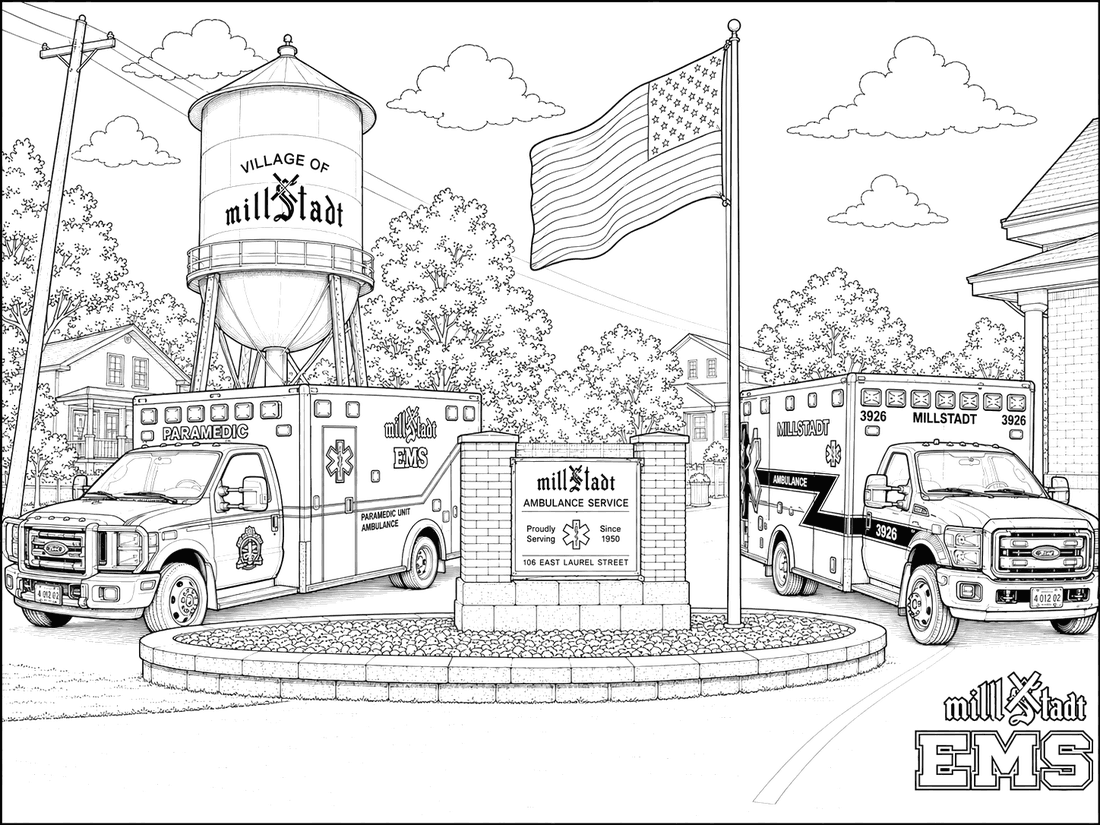
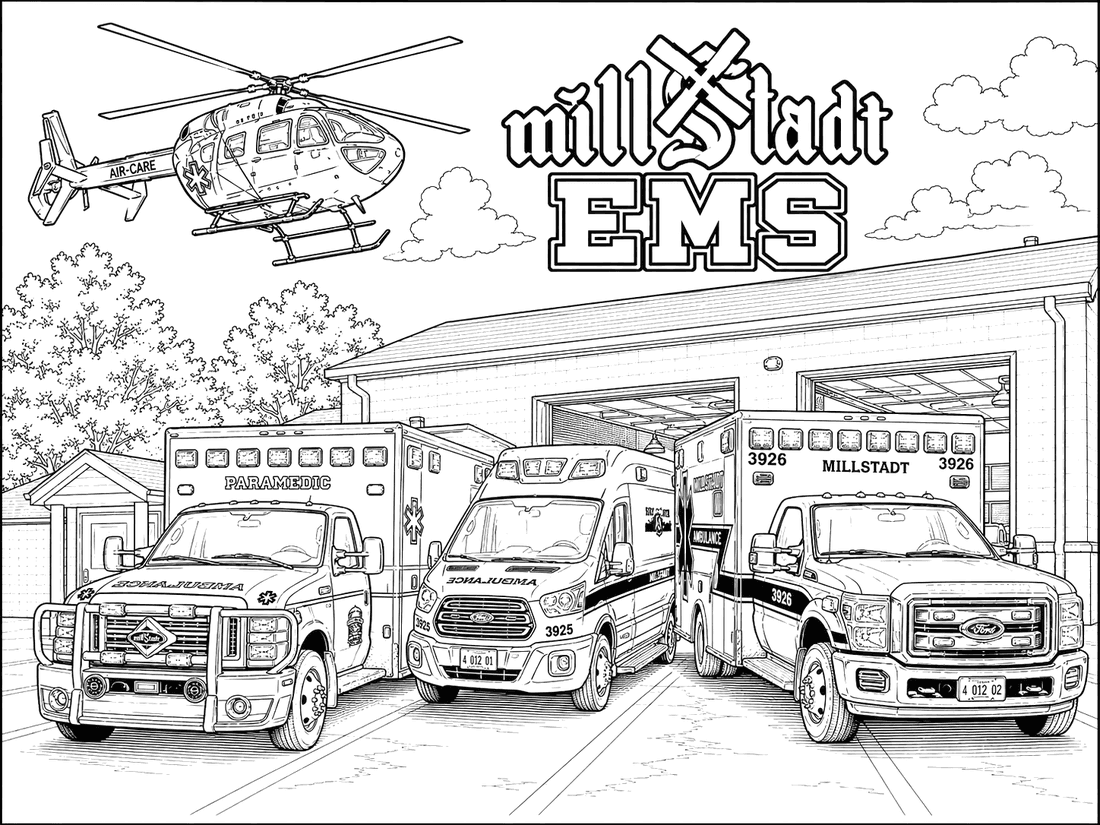
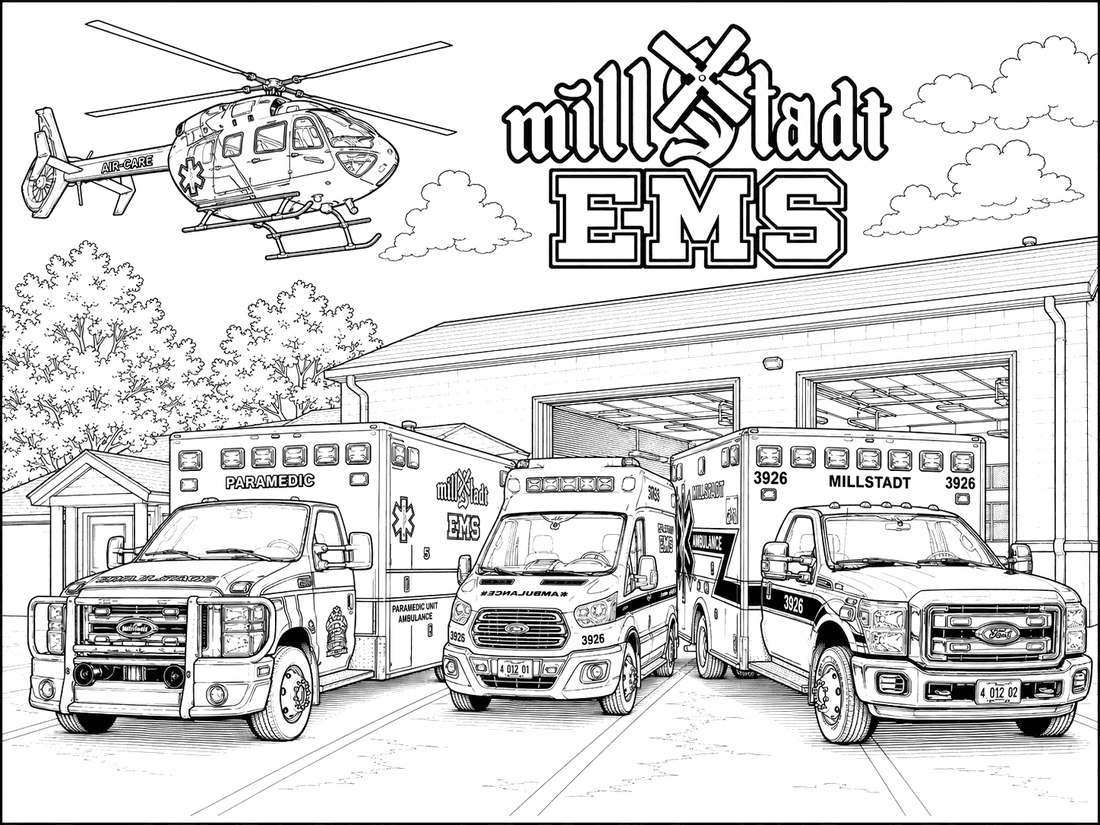
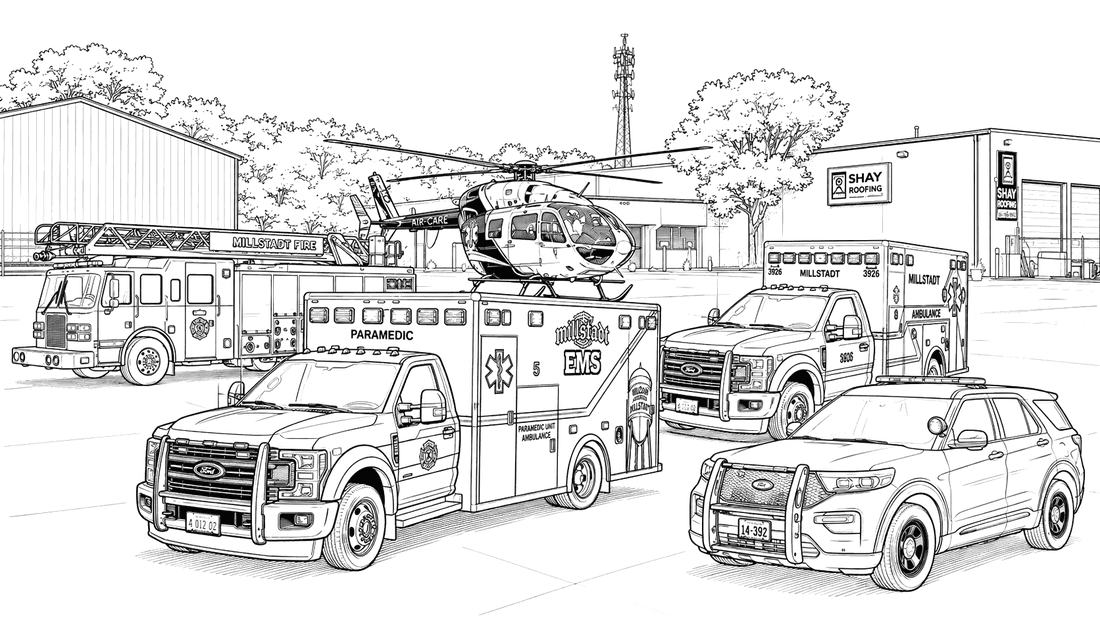
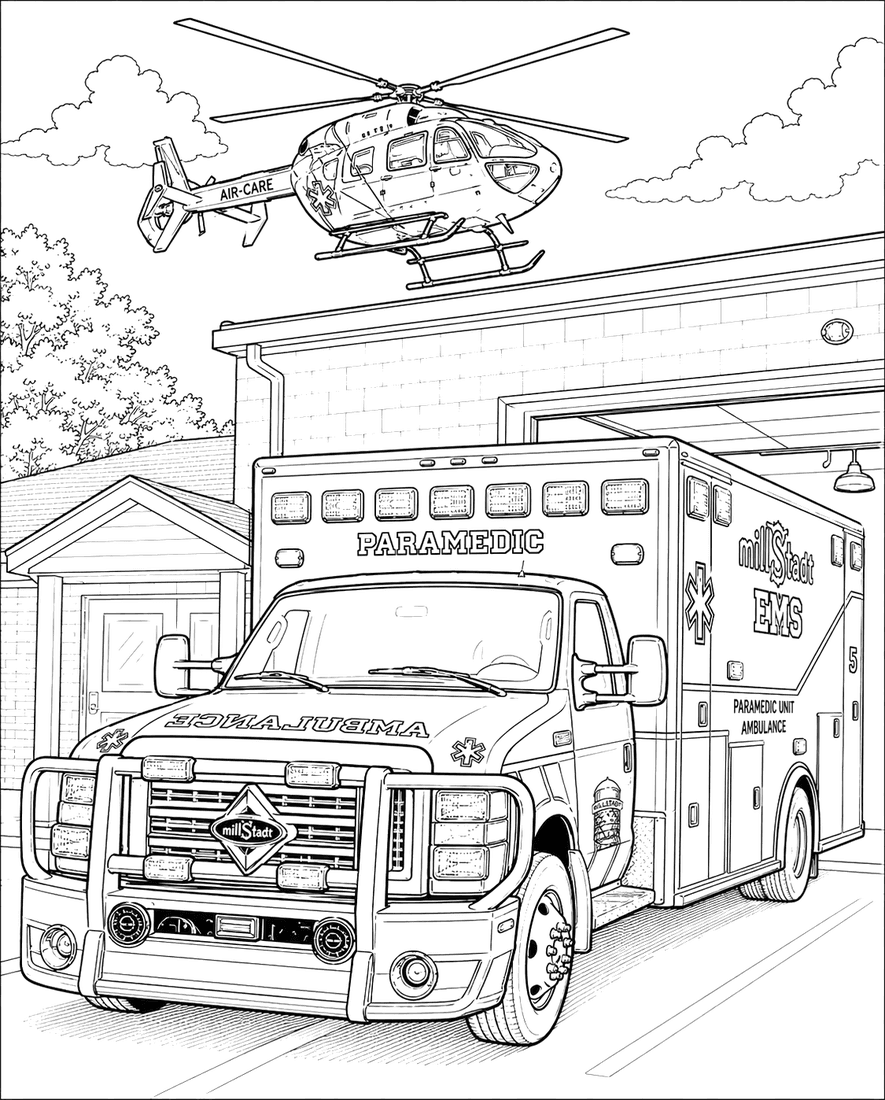
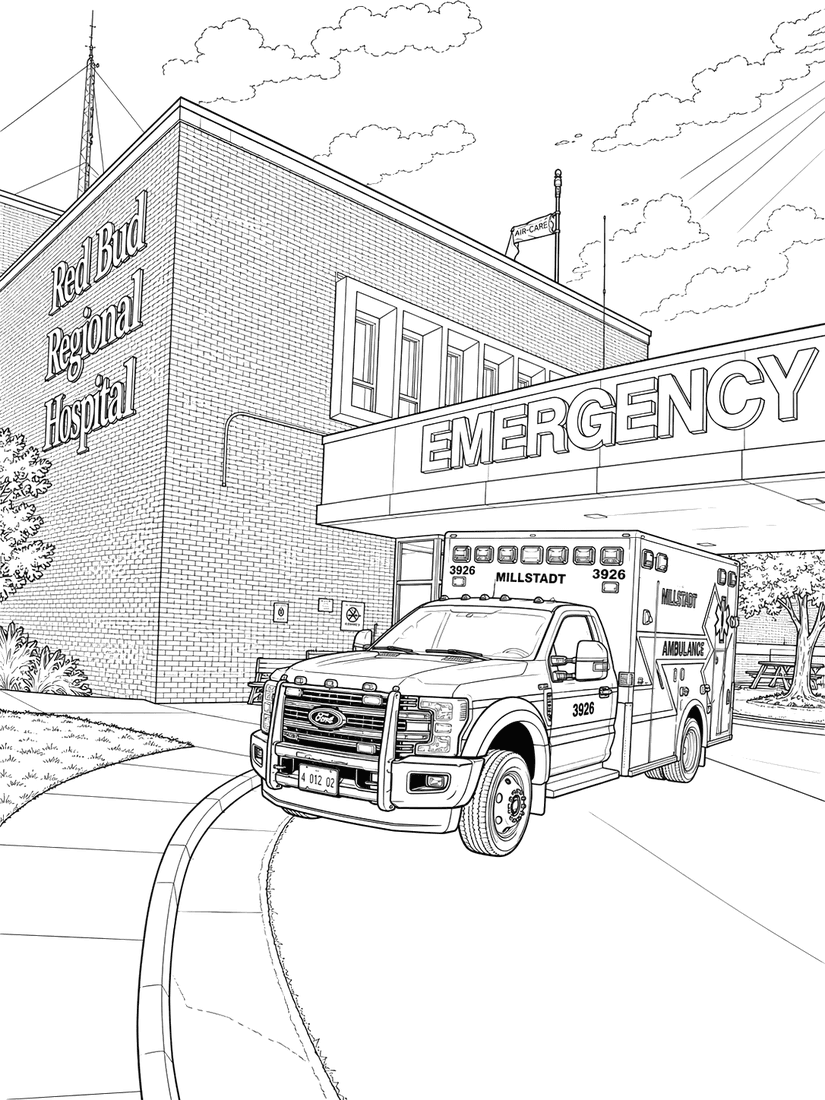
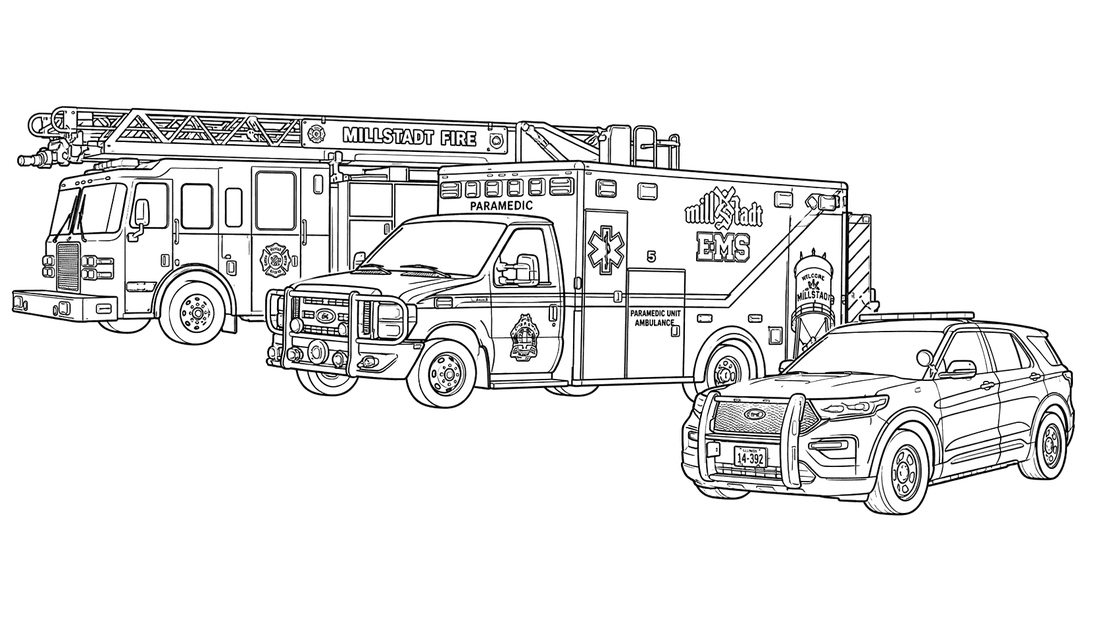
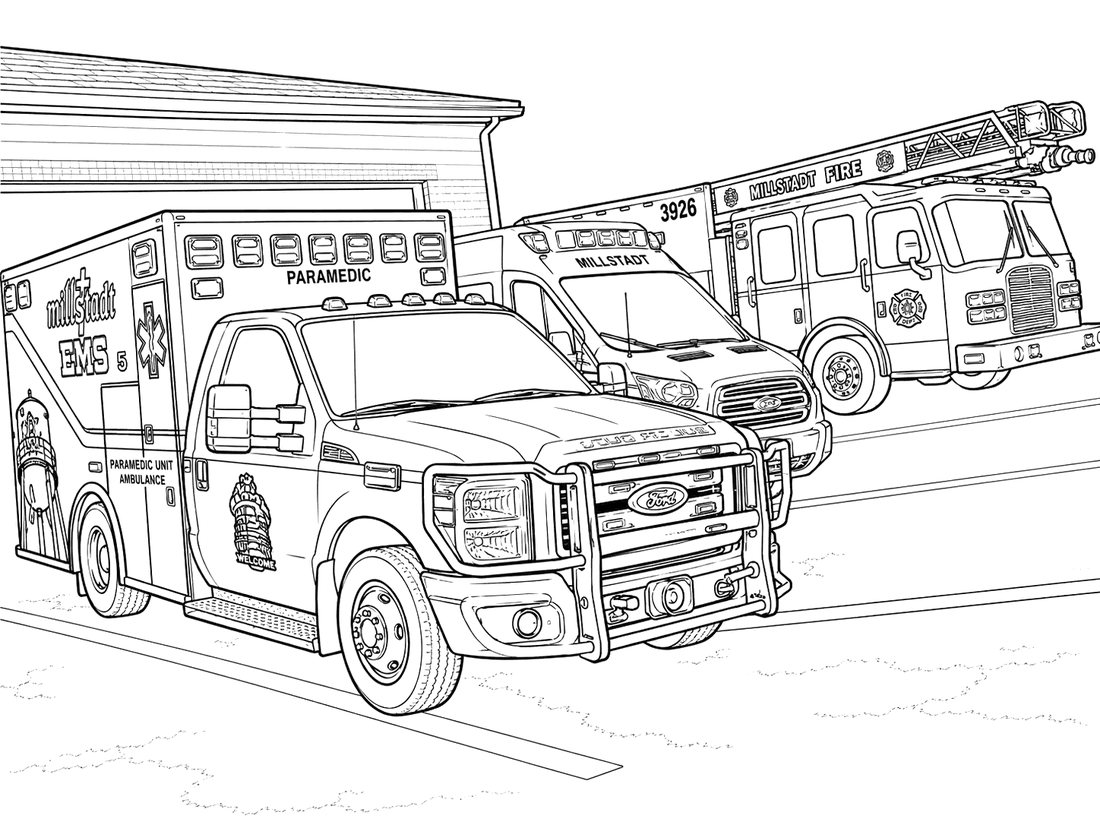
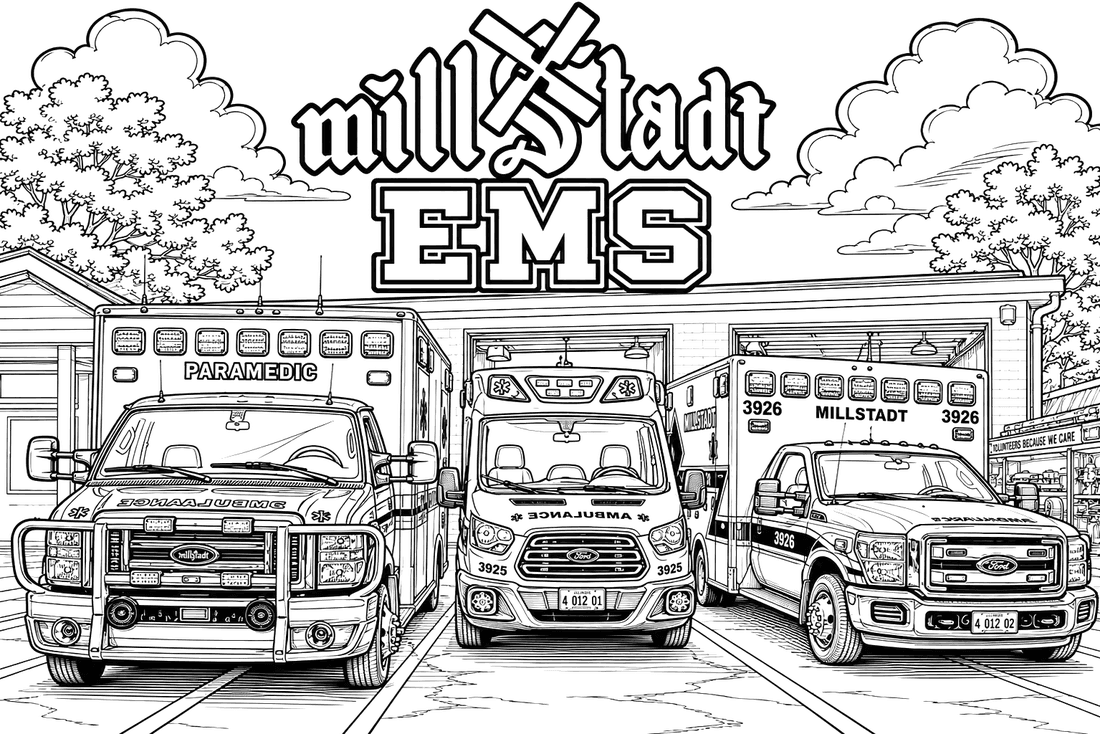
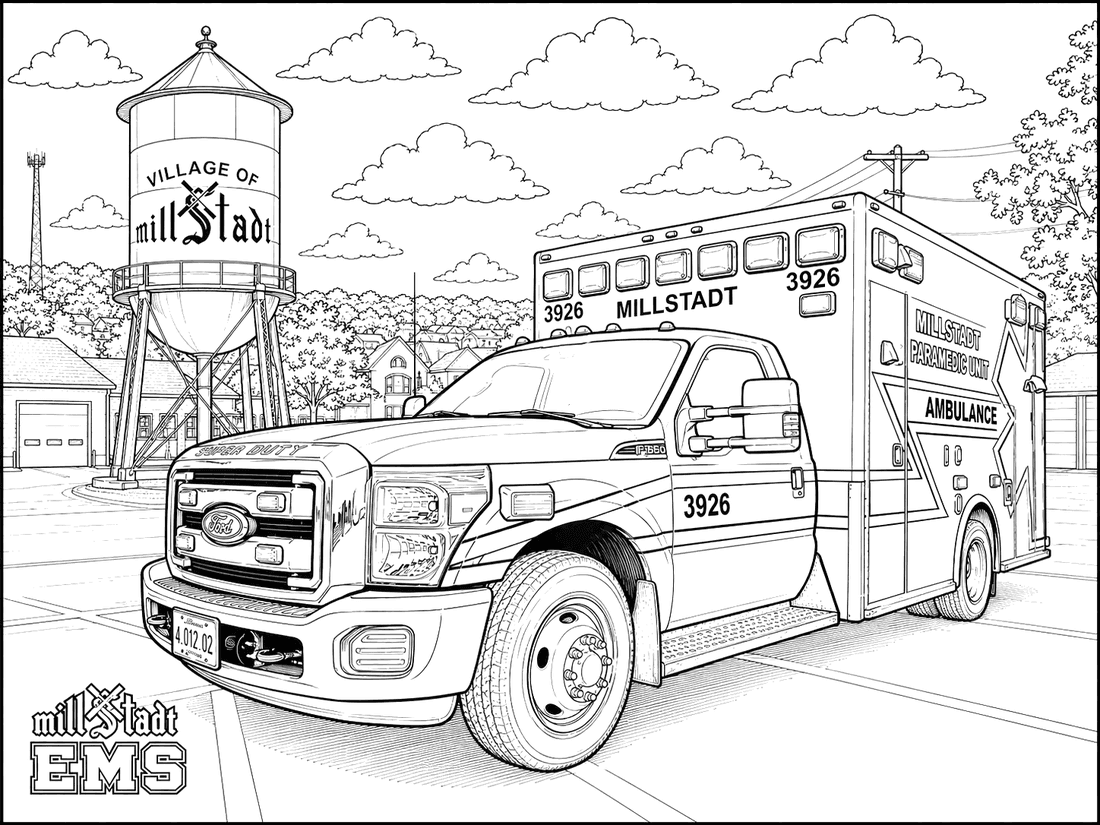
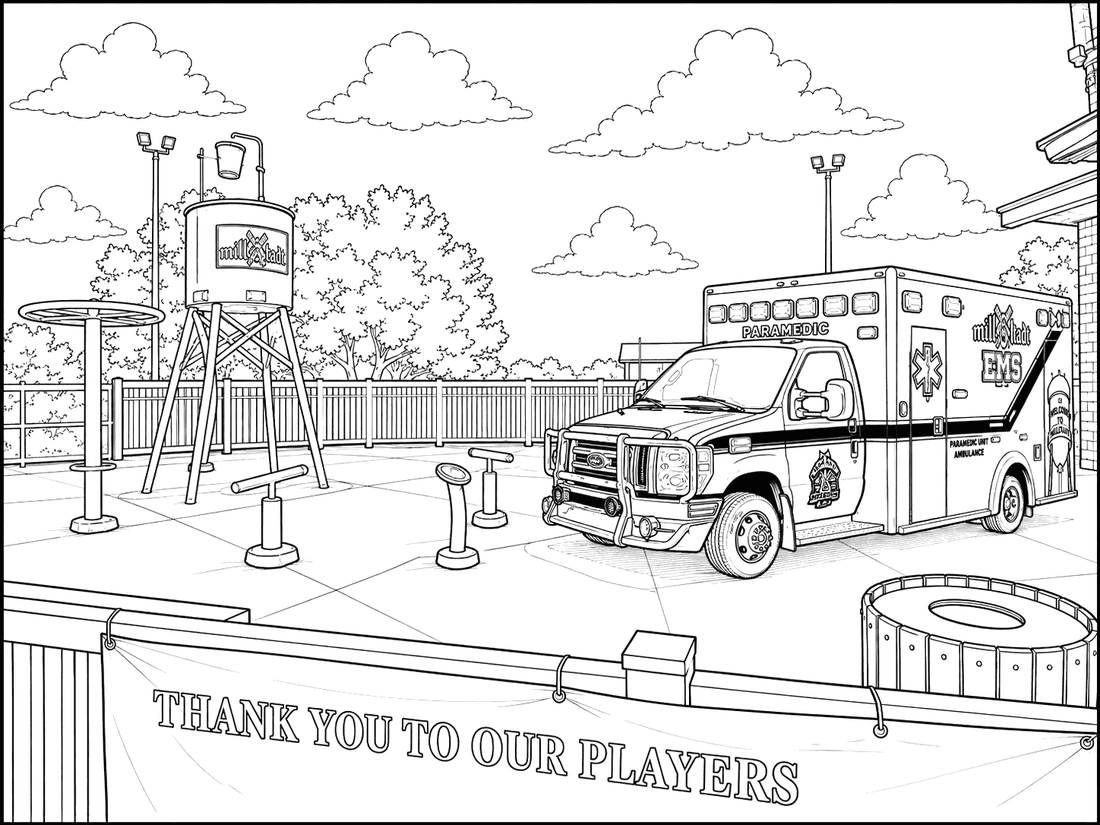
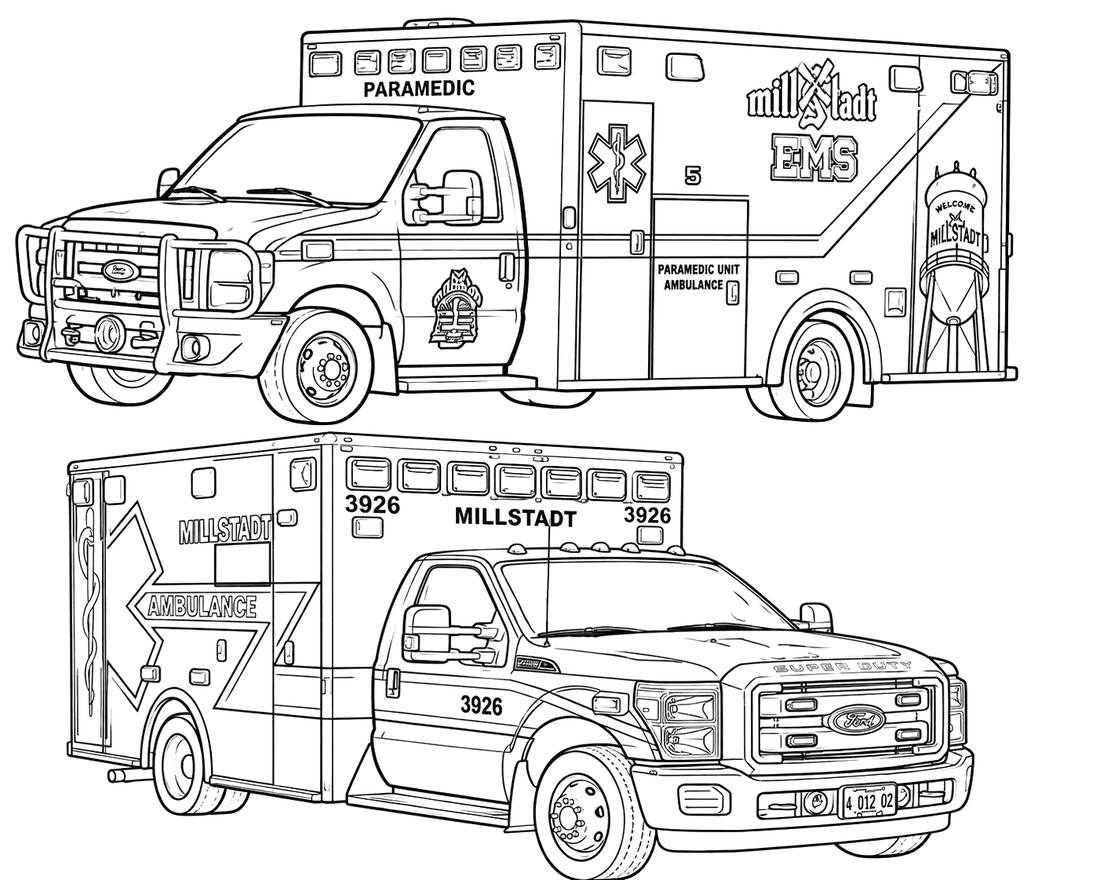
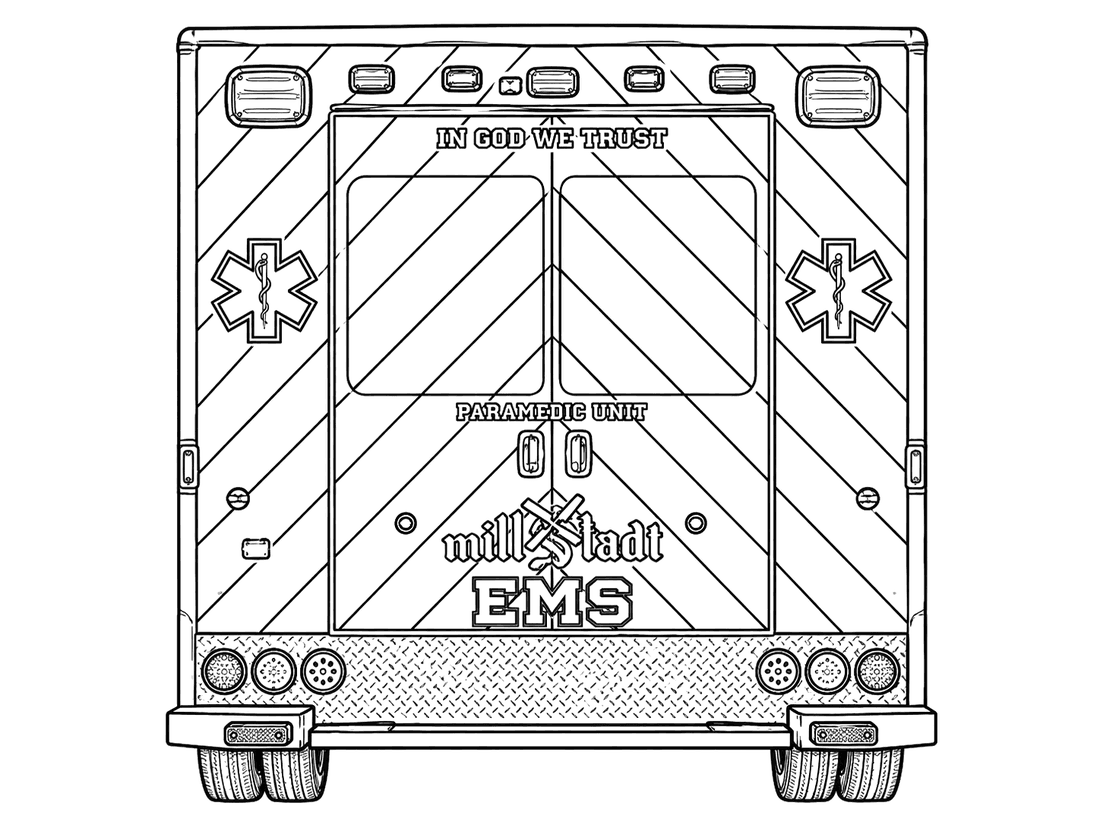
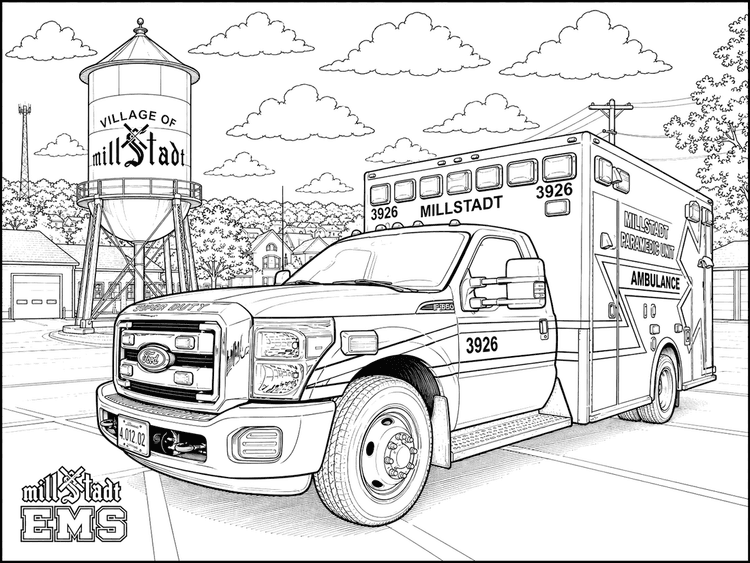
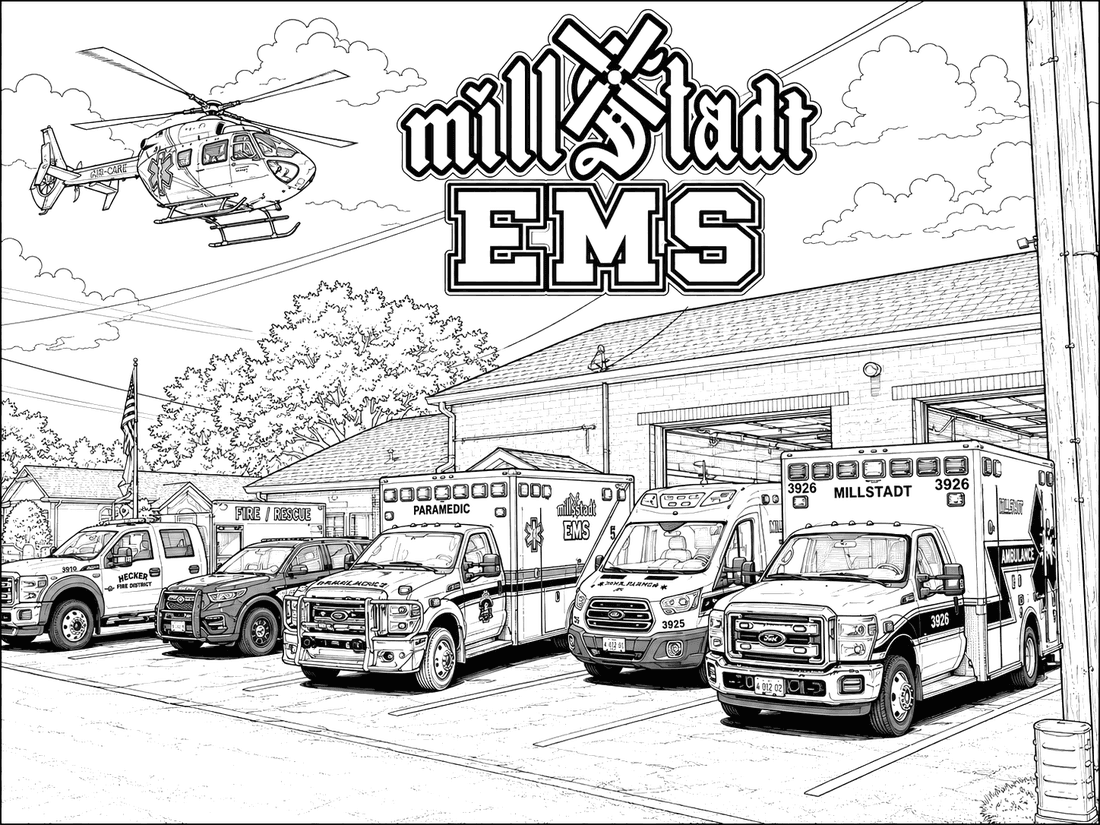
Quick print coloring pages

All coloring pages, right here with the missions.

The dedicated printable page still exists, but families can now grab any Millstadt EMS coloring sheet without leaving the mission board.

Open Full Printable Page
Printable Library

Coloring pages, checklists, and station-ready mission sheets.

Keep the hands-on side easy: print a Millstadt EMS coloring page, finish a mission, and bring it by the station or a community event.

Open Printables
For parents and caregivers

Teach safety without making it scary.

Ages 2-5 should focus on recognition, simple words, trusted adults, and calm routines. Keep practice short and upbeat.

Ages 6-11 can handle scripts, maps, checklists, and more specific safety decisions. Keep it practical and repeatable.

These activities support family safety conversations. They do not replace first aid training, medical advice, or calling 911 during a real emergency.